
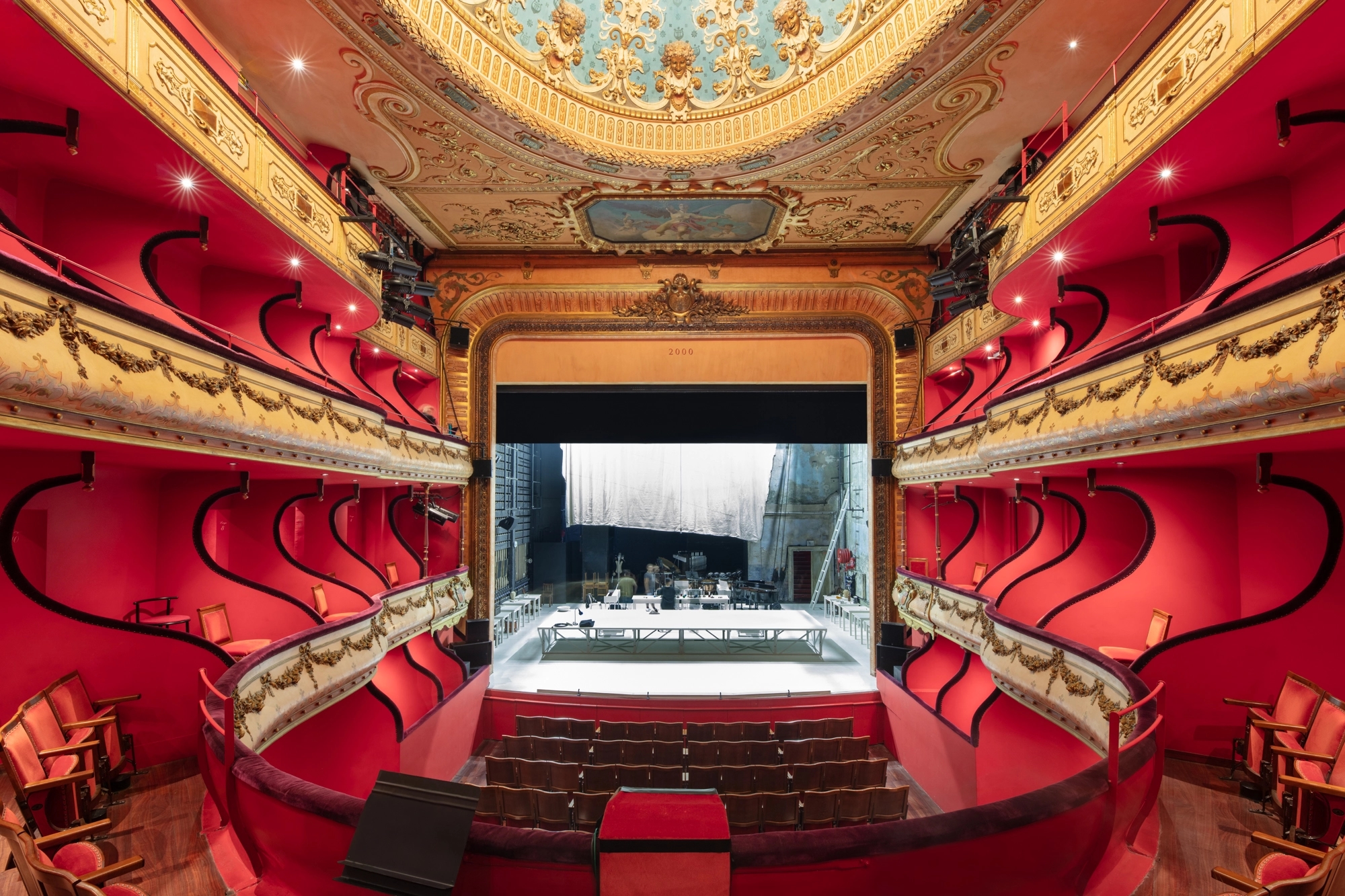
Located in the historic centre of Aix-en-Provence, the Théâtre du Jeu de Paume is a 493-seat venue dating back to the eighteenth century. Built on the site of a former royal jeu de paume court and inaugurated in 1787, the theatre is listed as a historic monument and presents a varied programme of theatre, music and dance.
Its intimate auditorium and traditional Italian-style architecture called for a sound reinforcement system capable of delivering consistent coverage while limiting unwanted reflections.
Choosing the Amadeus C Series
Discussions surrounding the theatre's sound system began in September 2017, when several Amadeus configurations were considered, including the MPB 600 and the new Amadeus C 15.
Originally developed for the Théâtre de Chaillot in Paris, the Amadeus C 15 was still in its early stages when it was selected for the Théâtre du Jeu de Paume, making the venue one of the first in France to adopt the new model.
The C 15's triaxial, three-way point-source architecture offered an alternative to conventional two-way coaxial loudspeakers with wider conical dispersion. Its controlled directivity was particularly relevant to the theatre's architecture, where directing sound towards the audience rather than surrounding surfaces was a key design consideration.
Compared with the earlier MPB 600, the C 15 introduced a more compact three-way design, a larger 15-inch low-frequency driver and a lower crossover frequency, extending the range over which directivity could be controlled.
Networked Amplification and Control
The system was designed around Powersoft Quattrocanali DSP+D amplification, integrated into the theatre's Dante audio network.
Through Powersoft's ArmoníaPlus software, the system's delays, equalisation and protection parameters could be configured and managed within a common environment.
The installation reflects an early application of Amadeus' C Series in a historic performing arts venue, bringing together controlled directivity, point-source architecture and networked amplification in a system adapted to the theatre's acoustic requirements.
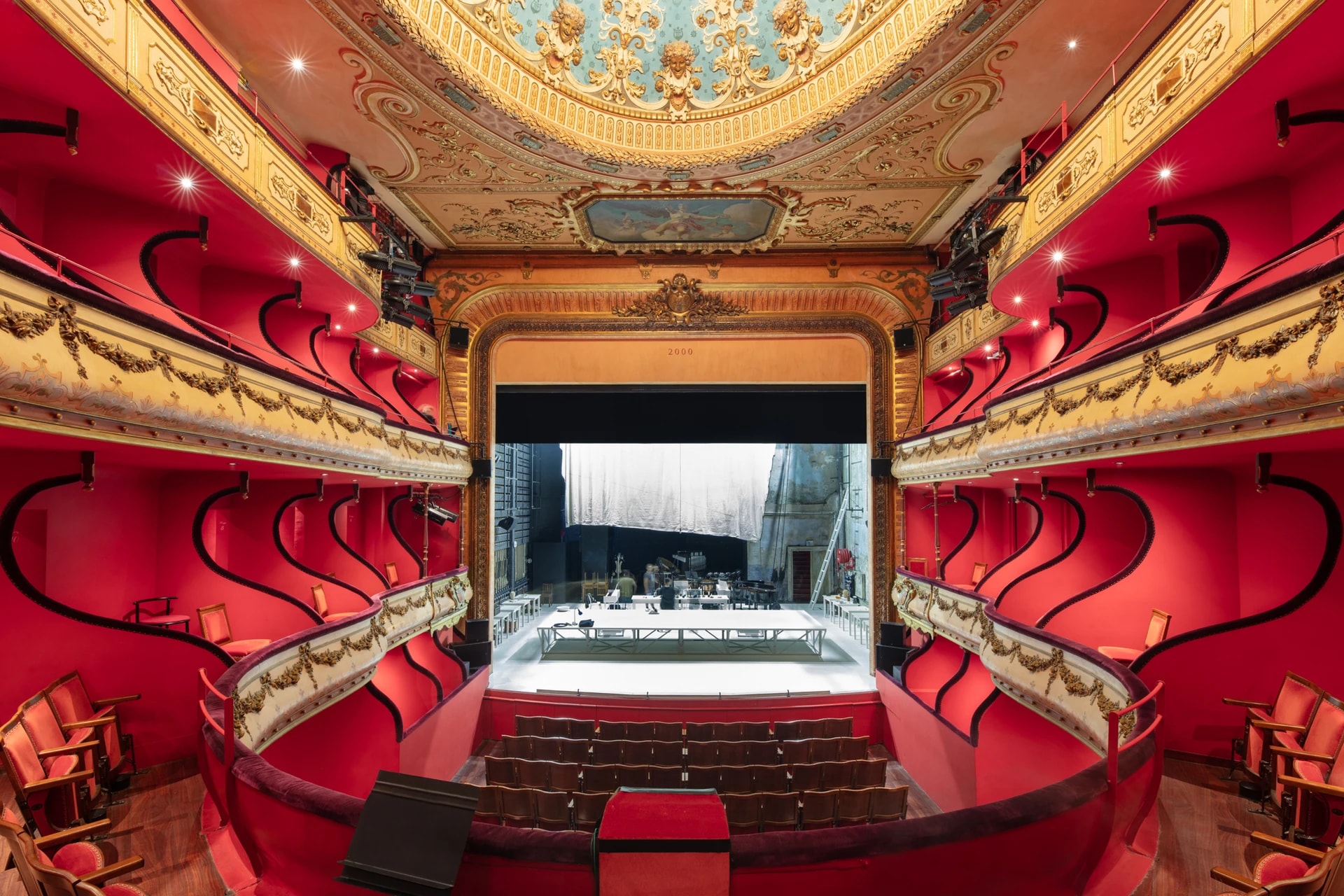
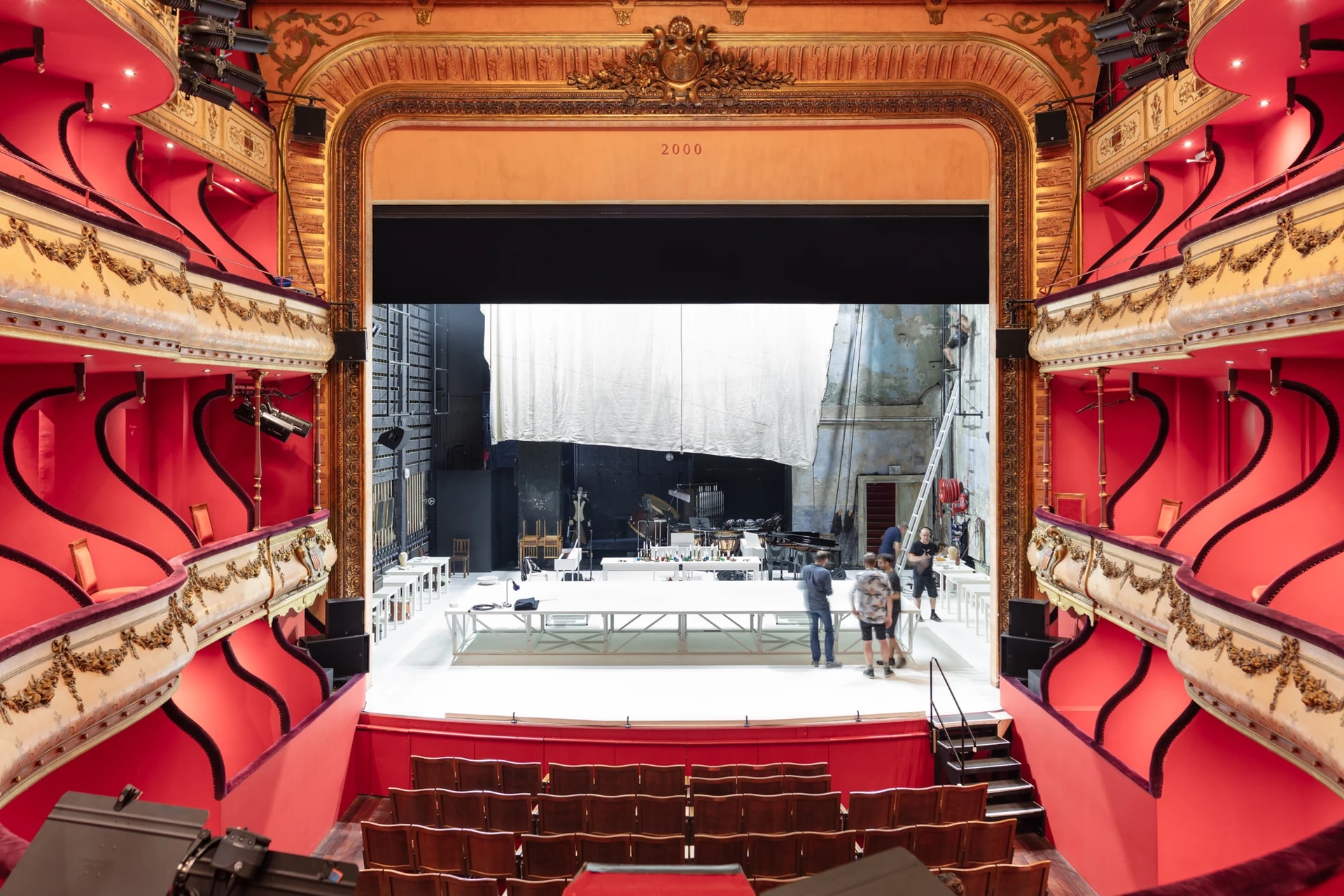
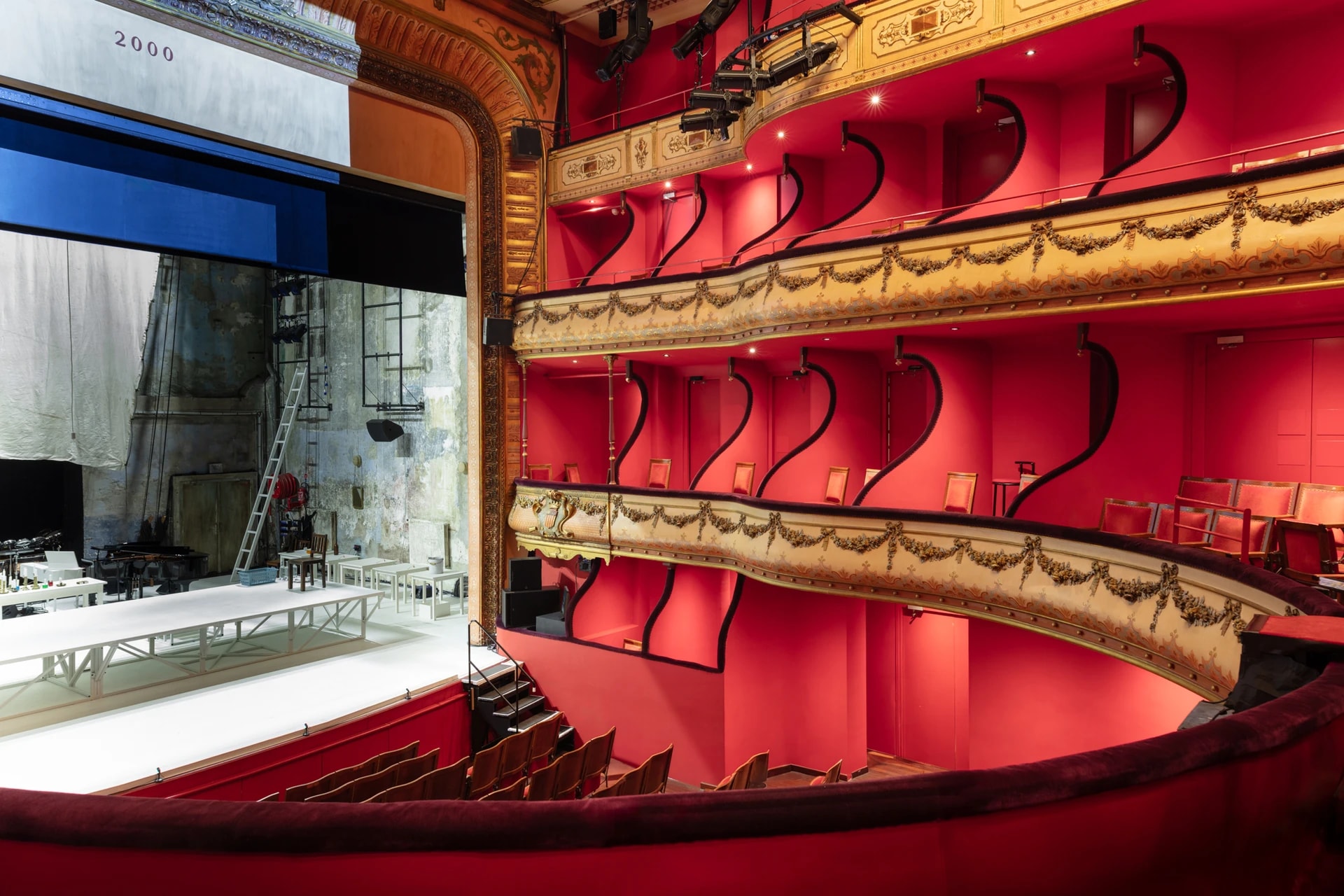
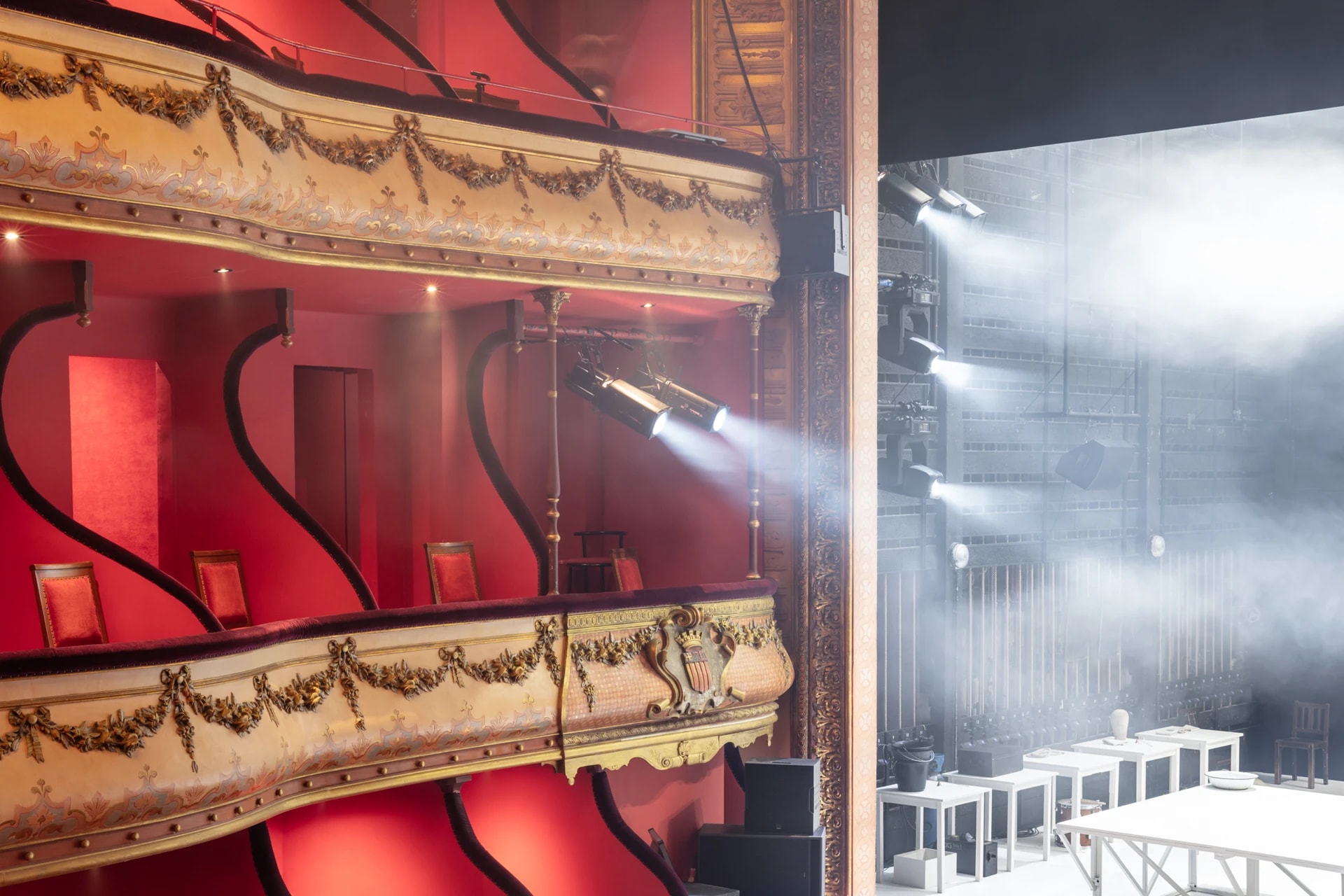
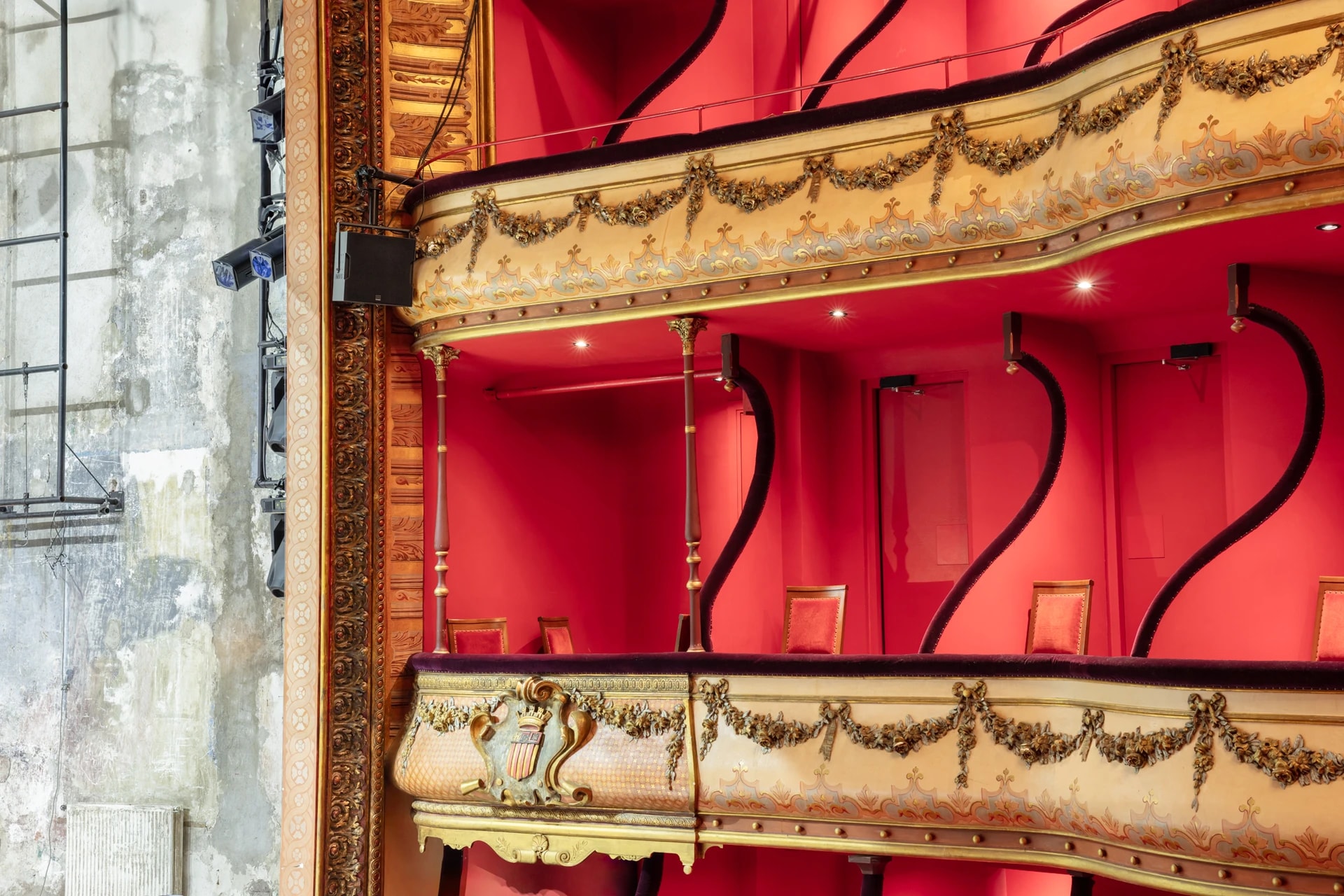
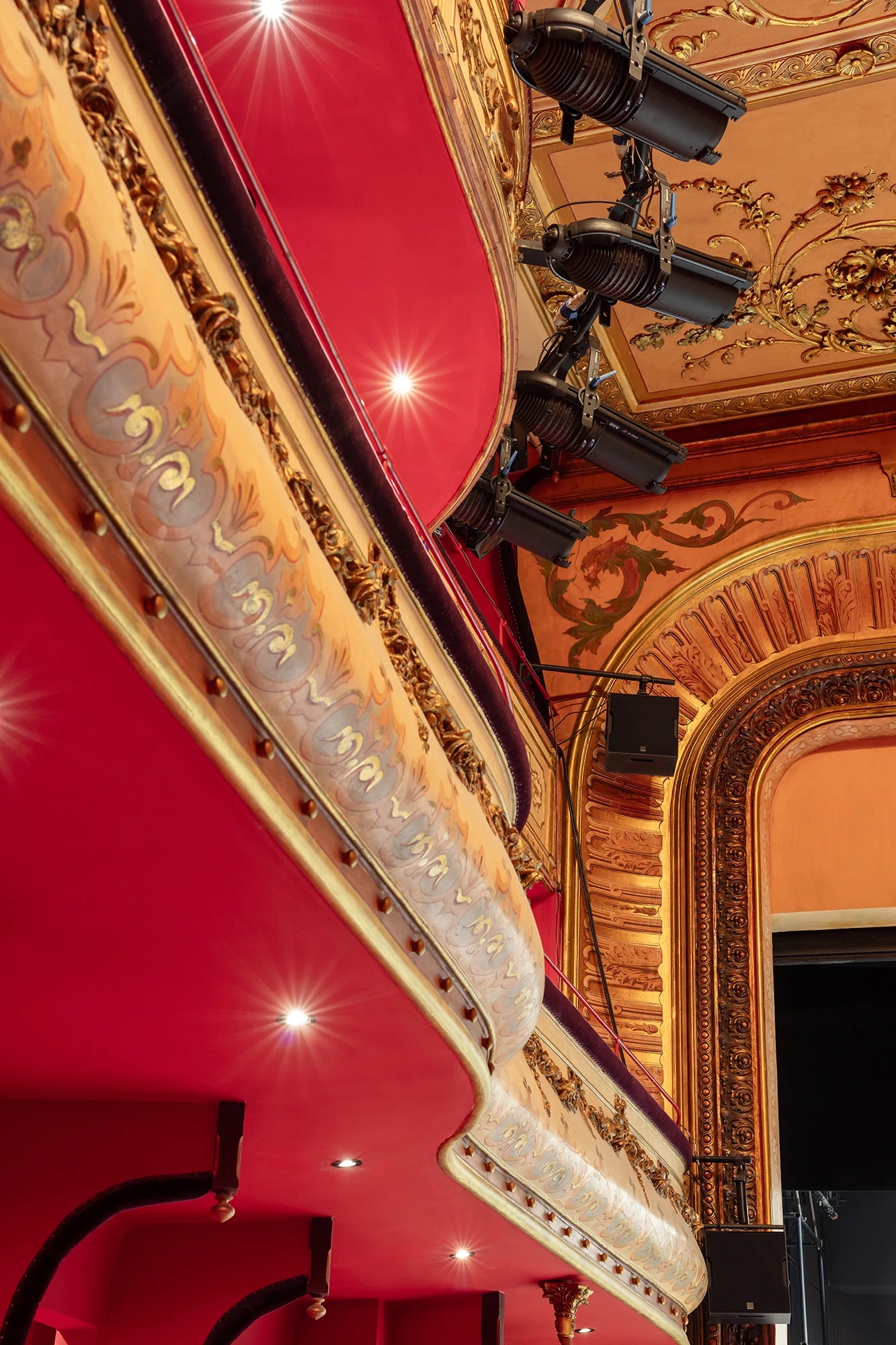
Photo credits — © Helen Karam